It has been almost 50 years since astronauts last walked on the lunar surface during the Apollo program. With the Artemis mission, NASA looks to revisit the Moon and pave the way for a diverse and inclusive future in space exploration. The space agency aims to accomplish a series of firsts, including landing the first woman and the first person of color on the lunar surface.
All about NASA’s Artemis missions at the Kennedy Space Center
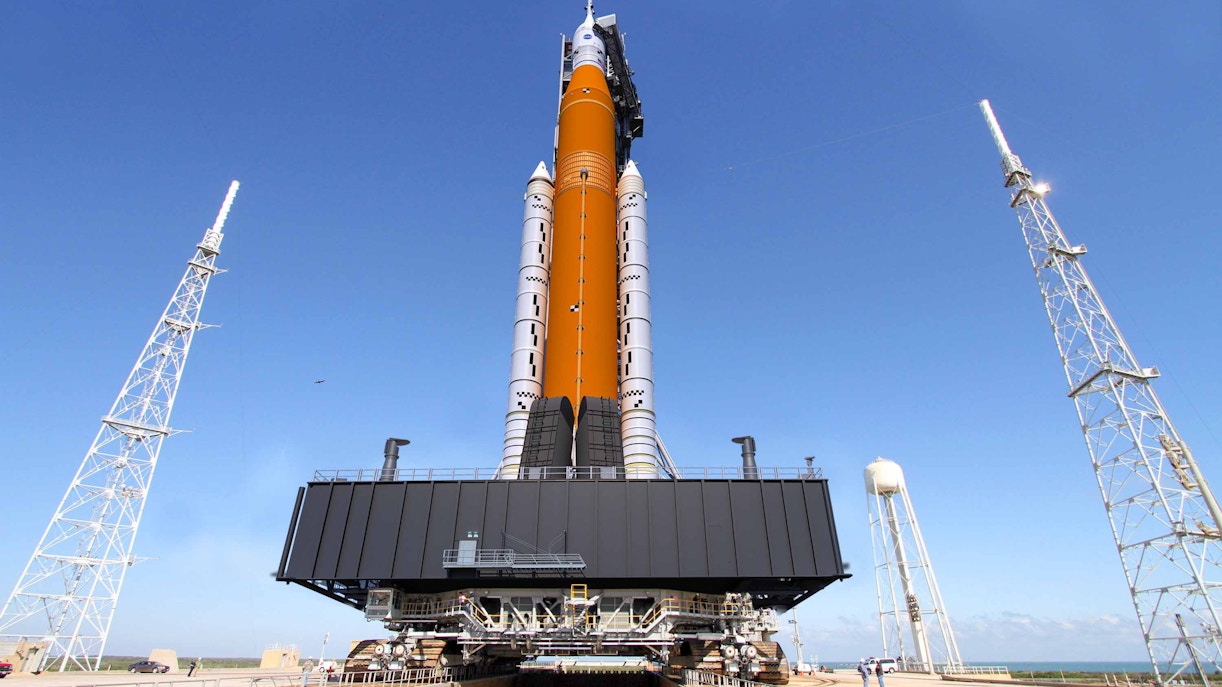
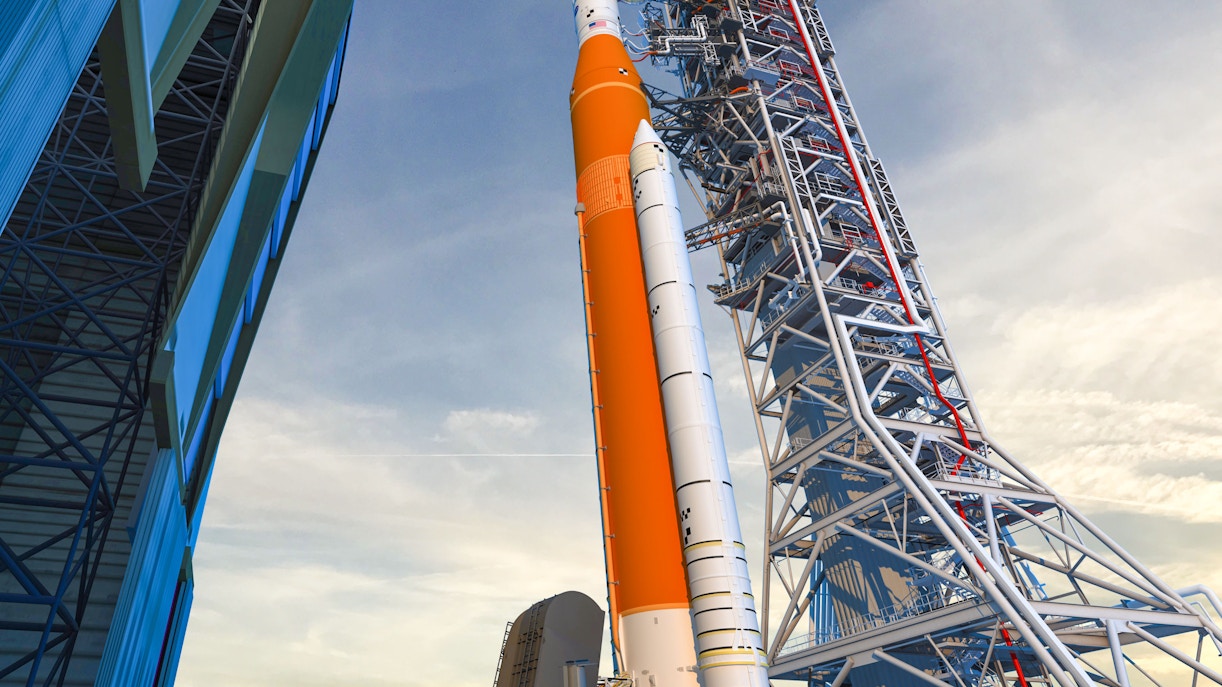
NASA's Artemis mission is set to unveil the next chapter of lunar exploration for the United States. The Artemis I mission had a successful liftoff from Launch Pad 39B at NASA’s Kennedy Space Center in Florida. The second mission from the Artemis program is set to take off from the same historic spaceport.
Now at KSC: the Artemis II rocket is currently on the launch pad, offering you a limited-time chance to see it up close.
Here's how you can get closer to the rocket:
- Bus Tour (included with admission): You might be able to spot the rocket from the launch area as you pass by | Book here
- KSC Explore Tour: Get a closer look with a stop at the A/B Camera viewing point | Book here
- Small Group VIP Experience: Enjoy a more exclusive, small-group setting with enhanced viewing opportunities | Book here
Please note: Viewing opportunities are not guaranteed and depend on launch operations.
About the Artemis missions
Artemis I
Artemis II
Meet the astronauts of the Artemis II mission
Why is the Artemis mission important?
Man’s fascination with the Moon has aided centuries of scientific discoveries and advances. From astronomy, to space exploration, humans have tried it all. The Artemis mission aims to build on this foundation to further advance scientific discovery, economic benefits, and inspire a new generation of space explorers.
If successful, the Artemis mission can help humans learn more about the Moon in a couple of decades than it did for centuries. This includes finding out how much water is on the Moon and why that is important for future exploration, along with creating the possibility of growing a lunar economy.
Frequently asked questions about the Artemis missions
Artemis is NASA’s crewed spaceflight program. It is intended to return astronauts to the Moon for the first time since 1972.
The Artemis missions began in 2017.
Artemis I was launched in 2022. The next in line is Artemis II which is expected to be launched no earlier than September 2025.
The astronauts going to the Moon on Artemis II are Reid Wiseman, Victor Glover, Christina Hammock Koch and Jeremy Hansen.
The Artemis mission will span approximately 10 days.
NASA has said it is going back to the Moon for scientific discovery, economic benefits, and inspiration for a new generation of explorers.
NASA's spending on the Artemis program is projected to reach a total of $93 billion by 2025, according to an audit by the NASA Office of Inspector General.
The Artemis missions were supported by thousands of people around the world, from contractors who built the spacecraft and rocket, to international and university partners, to small businesses.
Yes, NASA aims to send humans to the Moon again for the first time since 1972 with its Artemis missions.
During the nine Apollo missions NASA, 24 American astronauts went to the Moon, and 12 of these astronauts have walked on it.
More than 50 years ago, NASA sent the first humans to the lunar surface under the Apollo program. Now, NASA is set to send the first woman and first person of color to the Moon as part of the Artemis program.
NASA’s Artemis I was launched from the Kennedy Space Center in Florida.
The Kennedy Space Center Visitor Complex provides the closest public viewing of rocket launches with live commentary from space experts.
NASA is set to launch from Kennedy Space Center no earlier than September 2025.